
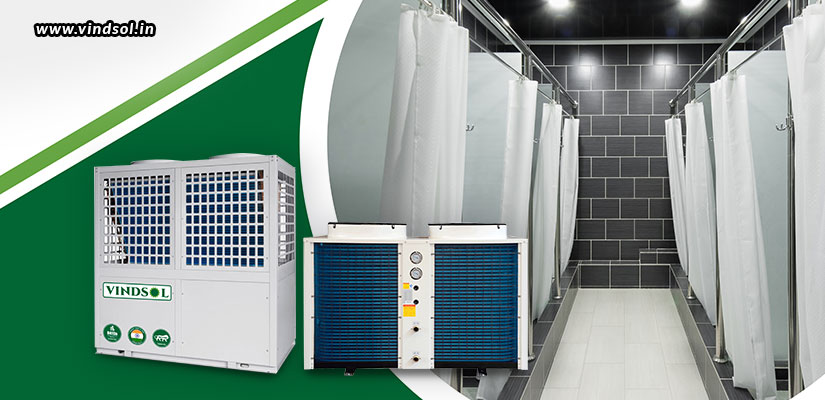
Heat Pumps For Your Commercial Space – Which System Is Most Suitable For Your Business?
Choosing the right commercial heat pump involves more than just a technical choice; it has a direct effect on comfort, energy efficiency, operational expenses, and customer satisfaction. Although heat pumps are becoming more popular in commercial buildings, not all systems are the same. Factors such as building size, occupancy patterns, climate, and specific operational requirements influence which solution is the most effective. This blog is designed to assist business owners, facility managers, and property developers in understanding the distinctions between systems, allowing them to customize their selections for hotels, offices, and retail spaces. By the conclusion, you will have a clear strategy for choosing the right heat pump that aligns with your operational objectives, sustainability goals, and financial plan.
Why heat pumps are perfect for commercial spaces
Heat pumps transfer heat instead of generating it, offering both heating and cooling with exceptional efficiency. In contrast to traditional HVAC systems, they can greatly lower energy usage, operating costs, and carbon emissions. For commercial environments, the advantages go beyond just energy savings:
- Consistent thermal comfort: Ensures stable indoor temperatures throughout the year.
- Enhanced indoor air quality: Advanced filtration systems minimize allergens and pollutants.
- Zoning flexibility: Various areas can be tailored to meet specific temperature requirements.
- Quiet operation: Fosters a pleasant atmosphere for both employees and customers.
Given these benefits, it is not surprising that hotels, offices, and retail businesses are increasingly turning to heat pumps as their primary HVAC solution.
Commercial heat pumps for hotels
Hotels have specific HVAC needs. They need to ensure a consistent level of comfort for guests, manage humidity in both rooms and shared spaces, and function efficiently in large areas with varying occupancy rates.
Key considerations for hotels:
- Multiple zones: Different areas such as guest rooms, lobbies, restaurants, and conference rooms have distinct heating and cooling requirements.
- High occupancy fluctuations: The heat load can change significantly based on the season or during special events.
- Quiet operation: Guests anticipate minimal noise while resting or working.
- Energy efficiency: With high operational expenses, energy-efficient systems are crucial for hotels.
Recommendation: Air-source heat pumps are typically well-suited for hotels located in urban or moderate climates due to their ease of installation and scalability across various rooms. For larger resort properties or hotels situated in colder climates, ground-source systems may provide long-term savings, even though they require a higher initial investment.
Commercial heat pumps for offices
Office buildings need to maintain consistent thermal comfort to enhance employee productivity and concentration. The quality of indoor air is also vital, as inadequate air can lead to decreased focus and higher absenteeism.
Key considerations for offices:
- Occupancy patterns: The highest heating and cooling demands usually coincide with working hours.
- Zoning needs: Various floors or departments may have different comfort requirements.
- Indoor air quality: Effective filtration and humidity management are essential for the health of employees.
- Energy efficiency: Offices typically function for 8–12 hours daily, resulting in considerable operational expenses.
Recommendation: Air-source heat pumps equipped with sophisticated zoning features are generally ideal for office settings. They enable facility managers to adjust temperatures in meeting rooms, open workspaces, and executive offices separately, ensuring comfort while managing energy consumption. Ground-source systems could be an option for large corporate campuses that have ample land and long-term efficiency objectives.
Commercial heat pumps for retail environments
Retail spaces face distinct challenges. It is essential for stores to provide comfort for both customers and employees while also achieving energy efficiency in areas characterized by expansive glass fronts, elevated ceilings, or fluctuating foot traffic.
Key considerations for retail environments:
- Foot traffic: The continuous movement of people entering and leaving impacts indoor temperature and humidity levels.
- Window exposure: Sunlight streaming through large windows can lead to inconsistent heating or cooling.
- Customer experience: The level of comfort significantly affects shopping habits and the duration of time spent in the store.
- Operational hours: Retail establishments frequently operate for extended periods, which can elevate energy expenses.
Recommendation: Air-source heat pumps are typically well-suited for retail environments, particularly in urban areas. Their adaptability allows for quick modifications during peak times, and their quiet functioning contributes to a pleasant shopping atmosphere. For larger shopping malls or retail parks, ground-source systems may offer enhanced energy efficiency and lower operational costs over time.
Additional factors to consider across almost all industries
When selecting a heat pump, the type of building is crucial, but there are additional factors to consider for all commercial environments, such as –
- Maintenance requirements: Regular and proper maintenance is essential for prolonging system life and ensuring efficiency.
- Installation considerations: Ground-source systems necessitate adequate land and excavation capabilities.
- Scalability: Opt for systems that can grow alongside your business.
- Climate factors: Air-source systems might be less effective in severe cold, whereas ground-source systems offer more reliable performance.
- Smart control integration: Automated and remote management can enhance comfort and minimize energy waste.
For businesses in India, Vindsol offers commercial heat pump solutions tailored to the unique requirements of hotels, offices, and retail environments. Their systems are crafted for efficiency, scalability, and straightforward maintenance, ensuring reliable comfort and excellent indoor air quality, while lowering operational expenses. Whether utilizing air-source or ground-source options, Vindsol’s expertise enables businesses to meet energy objectives without sacrificing comfort or customer satisfaction.
Choosing the right heat pump necessitates a thorough assessment of building type, occupancy, energy objectives, and environmental factors. Hotels, offices, and retail spaces each present specific needs that determine whether air-source or ground-source systems are the best fit. By evaluating zoning, energy efficiency, indoor air quality, noise levels, and maintenance requirements, businesses can choose heat pumps that boost comfort, enhance employee productivity, and foster a positive customer experience. Commercial heat pumps have evolved beyond mere HVAC systems; they are now strategic assets for improving operational efficiency, advancing sustainability initiatives, and providing outstanding indoor environments across all commercial industries.