
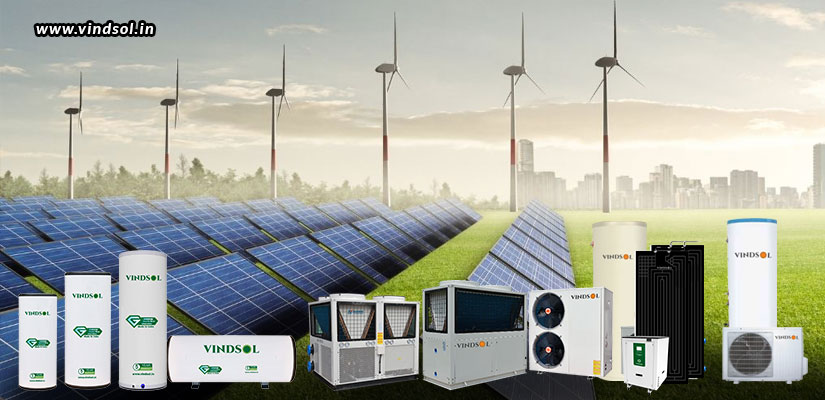
Heat Pumps And Renewable Energy
Globally, the energy sector is experiencing a significant transformation. Homeowners, businesses, and institutions are increasingly investing in solar photovoltaic (PV) systems, smart energy grids, and energy storage technologies to lessen their reliance on traditional power sources. The rise in energy costs and heightened environmental concerns are propelling the transition towards renewable solutions. Nevertheless, producing clean electricity is just one aspect of the solution – buildings must also utilize it effectively. Heat pumps are crucial as they transfer heat instead of generating it directly, enabling them to provide more heating energy for each unit of electricity consumed. When combined with renewable energy, they offer a highly efficient and sustainable heating option.
Why energy systems are moving toward renewable integration
Energy systems have traditionally relied on fossil fuels for generating electricity and providing heating. Although these systems have fuelled modern progress for many years, they come with a range of challenges like escalating fuel prices, growing environmental concerns, regulatory demands to cut emissions, and long-term issues regarding resource sustainability. Renewable energy technologies present a strong alternative. Solar, wind, and other renewable sources generate clean electricity that can be produced locally and adjusted based on demand. Nevertheless, the full advantages of renewable electricity cannot be realized unless the systems that consume energy are also efficient. If buildings utilize outdated heating technologies, much of the benefit of renewable electricity is negated. Heat pumps tackle this issue by utilizing electricity in a significantly more efficient manner compared to conventional heating systems.
How heat pumps enhance renewable electricity
Traditional electric heaters produce heat by converting electricity directly into warmth. Typically, one unit of electricity yields approximately one unit of heat. In contrast, heat pumps operate differently. Rather than creating heat from the ground up, they extract heat from the surrounding environment – be it air, water, or the ground – and transport it to the desired location. This mechanism enables heat pumps to provide several units of heat for each unit of electricity utilized. Since renewable energy systems generate electricity, integrating them with heat pumps establishes a natural synergy. The electricity generated by solar panels or other renewable sources can power a heating system that amplifies its effectiveness through efficient heat transfer. The outcome is a highly efficient energy system that minimizes waste and maximizes the benefits of renewable energy.
Solar PV and heat pumps
Solar photovoltaic systems rank among the most commonly utilized renewable energy technologies in the present day. Many residential homes, commercial establishments, and industrial sites now produce a portion of their electricity using rooftop solar panels. When heat pumps function in conjunction with solar PV systems, a variety of benefits arise.
- Direct utilization of solar electricity: During the daytime, solar panels produce electricity that can be used directly to power the heat pump. This diminishes reliance on grid electricity and reduces operational expenses.
- Enhanced energy efficiency: Rather than sending surplus solar electricity back to the grid, buildings can harness that energy to operate heating systems, thereby enhancing overall energy efficiency.
- Reduced carbon emissions: Solar energy is both renewable and free of emissions. When utilized to power heat pumps, it further diminishes the carbon footprint associated with heating operations.
- Increased energy autonomy: Buildings that integrate solar generation with efficient heating technologies become less susceptible to fluctuations in energy costs.
This synergy is a key reason why many contemporary building designs now view heat pumps and solar energy as complementary elements of a cohesive energy strategy.
Smart grids and intelligent energy management
The energy infrastructure is progressing beyond the conventional centralized power distribution model. Smart grids are revolutionizing the methods of electricity generation, distribution, and consumption. Utilizing digital communication technologies, smart grids monitor energy flows and adjust power distribution in real time. This capability enables enhanced balancing of supply and demand, increased grid stability, and more effective integration of renewable energy sources. Heat pumps are particularly well-equipped to function within smart grid settings.
- Flexible energy consumption: Heat pumps can modify their operation based on the availability of electricity and the conditions of demand. For instance, they may operate more vigorously when there is a high supply of renewable electricity.
- Demand response capabilities: Sophisticated systems can react to signals from the grid, temporarily decreasing or increasing energy consumption to uphold grid stability.
- Smarter load management: By synchronizing heating demand with energy availability, smart grids can guarantee that renewable electricity is utilized more efficiently throughout entire communities.
This compatibility positions heat pumps as essential elements in the creation of intelligent and resilient energy networks.
The importance of energy storage in renewable heating systems
A significant challenge linked to renewable energy sources like solar power is their inconsistency. Solar panels produce electricity only during the day, while the demand for heating can arise at various times. Energy storage technologies play a crucial role in overcoming this issue. Battery storage systems facilitate the retention of surplus renewable electricity for later use when required. When combined with heat pumps, energy storage can significantly improve the overall efficiency of a renewable energy system. The benefits of merging heat pumps with energy storage include:
- Enhanced energy availability: Stored electricity can operate heat pumps even during periods of low solar generation.
- Increased flexibility: Energy storage empowers buildings to optimize the timing and manner of their renewable power usage.
- Decreased peak demand: By accumulating energy during off-peak times, buildings can minimize their reliance on the grid during high-demand hours.
- Improved grid interaction: Energy storage supports a more seamless integration with smart grid technologies.
In combination, heat pumps and energy storage contribute to a more robust and efficient energy infrastructure.
Enhancing sustainability through efficient heating
Heating represents a major portion of energy usage in numerous buildings. Conventional heating systems that depend on direct fuel combustion or inefficient electricity consumption can greatly elevate both operational expenses and environmental consequences. Heat pumps provide a more sustainable solution as they:
- Utilize electricity more efficiently
- Decrease dependence on fossil fuels
- Produce more heat for each unit of energy used
- Facilitate the integration of renewable energy
When paired with renewable electricity sources, heat pumps can significantly reduce the environmental impact of heating systems. This positions them as a crucial technology for organizations aiming to achieve sustainability objectives and enhance energy efficiency.
As renewable infrastructure expands, forward-looking heat pump companies like Vindsol are playing an important role in enabling sustainable and energy-efficient heating solutions. Solar panels, smart grids, and energy storage systems are revolutionizing the generation and distribution of energy. Nevertheless, their complete potential can only be achieved when they are combined with equally efficient energy-consuming technologies. Heat pumps serve as that essential link by transferring heat instead of producing it directly, which enables them to achieve significantly higher efficiency. This characteristic makes them perfect partners for renewable electricity sources. In conjunction, renewable energy systems and heat pumps establish a robust foundation for sustainable heating in residential, commercial, and industrial settings, promoting cleaner energy usage and long-term environmental stewardship.