
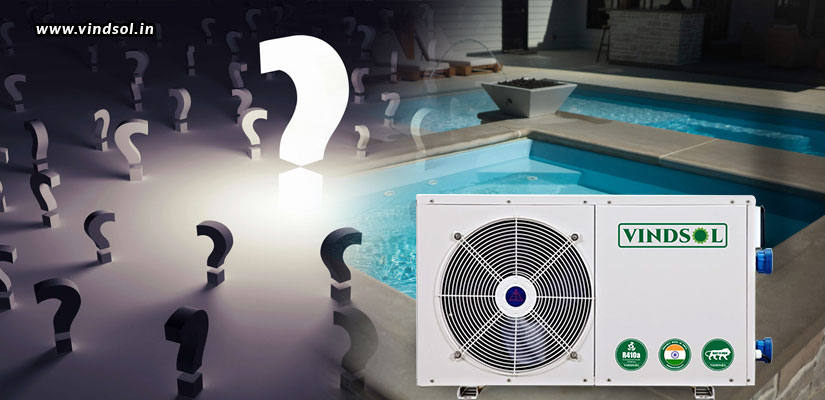
Common Issues With Spa Pool Heaters
A spa pool is intended to offer relaxation, comfort, and therapeutic advantages. Whether you utilize it to de-stress after a tiring day or to alleviate muscle soreness, the warm water is essential to the experience. However, just like any mechanical system, spa pool heaters may sometimes encounter issues that hinder their performance. When the water does not reach the desired temperature, or the heater ceases to function altogether, it can interrupt your enjoyment of the spa. Knowing the most prevalent spa pool heater issues and knowing how to resolve them can save you time, lower maintenance expenses, and guarantee that your spa operates efficiently. Let’s delve into the most common heater problems, their potential causes, and effective solutions to help restore your spa to its best condition.
Heater not turning on
One of the most common issues with spa heaters is when the unit fails to start.
Possible causes
This problem may arise from electrical issues, interruptions in the power supply, or safety features that inhibit the heater from functioning. A tripped circuit breaker, a blown fuse, or defective wiring can prevent the heater from receiving electricity. Moreover, some heaters are equipped with safety switches that automatically deactivate the system if there is inadequate water flow or if overheating occurs.
The solution
Begin by verifying that the heater is receiving power. Check the circuit breaker to ensure it hasn’t tripped. If your spa operates on gas, confirm that the gas supply is turned on. Then, look at the control panel for any error messages or warning indicators. In some cases, rebooting the system after resetting the breaker or control panel can fix the problem. However, if electrical issues continue, it is advisable to seek assistance from a qualified technician to thoroughly examine the wiring and internal components.
Water not heating properly
A frequent issue reported by spa owners is that while the heater activates, the water fails to reach the intended temperature.
Possible causes
This issue could stem from a defective thermostat, a malfunctioning heating element, or an inadequate heater capacity relative to the size of the spa. It may also happen if heat escapes more quickly than it is generated, especially in outdoor spas that are subject to wind and lower air temperatures. Blocked filters or limited water flow can further hinder the heater’s efficiency in warming the water.
The solution
Verify the thermostat settings to confirm that the desired temperature is set correctly. If the heater seems to operate continuously without increasing the temperature, examine the filter and clean or replace it as needed. Moreover, utilizing an insulated spa cover when the spa is not in operation aids in heat retention and lessens the strain on the heater. If the heating element is defective, it may require replacement by a certified technician.
Slow heating performance
At times, the heater operates, but it takes significantly longer than normal to heat the spa water.
Possible causes
Slow heating may be due to mineral accumulation on heating elements, poor water circulation, or aging components of the heater. Over time, scale deposits from hard water can cover heating surfaces, diminishing their heat transfer efficiency. Environmental factors such as low temperatures or strong winds can also hinder the heating process.
The solution
Regularly cleaning the filter and ensuring proper water chemistry can help prevent buildup that disrupts heat transfer. If you reside in an area with hard water, you may need to descale the heating element periodically. Making sure the spa cover is secured when not in use will also aid in retaining heat and shortening heating time.
Heater shutting off unexpectedly
If your spa heater frequently turns on and off or shuts down during use, it could signal a safety or sensor problem.
Possible causes
Contemporary spa heaters are equipped with safety sensors that monitor for overheating, insufficient water flow, or pressure discrepancies. When the system identifies an unsafe condition, it automatically shuts down to avert damage. Clogged filters, obstructed circulation lines, or malfunctioning pressure switches are commonly responsible for this issue.
The solution
Begin by examining the water flow within the system. Clean or replace filters to guarantee proper circulation. Ensure that the spa pump is operating correctly and that all valves are open. If the issue continues after enhancing water flow, a technician may need to evaluate pressure switches or temperature sensors to pinpoint the problem.
Error codes on the control panel
Most contemporary spa heaters are equipped with digital control panels that show diagnostic codes when an issue arises.
Possible causes
Error codes generally signify problems associated with temperature sensors, water flow, pressure switches, or electrical issues. Each manufacturer has its own set of codes to pinpoint specific problems.
The solution
Refer to the heater’s user manual to interpret the displayed error code. Often, straightforward actions like resetting the heater, cleaning filters, or restoring water flow can fix the problem. If the same error recurs, it may be necessary to seek professional service to repair or replace the faulty component.
Strange noises from the heater
Uncommon sounds such as rattling, buzzing, or clicking may indicate underlying issues within the heating system.
Possible causes
Loose parts, debris in the circulation system, or worn mechanical components can create unusual noises. In heat pump systems, the fan or compressor might also produce sounds if airflow is obstructed.
The solution
Examine the heater housing for loose panels or debris that could be causing vibrations. Make sure that air vents are clear and that the heater has sufficient space for ventilation. Ongoing mechanical noises should be assessed by a technician to avoid further damage to internal components.
Water flow problems impacting heating
Water circulation is essential for effective spa heating. When water flow is impeded, the heater may fail to function correctly.
Possible causes
Obstructed filters, trapped air in the plumbing, or faulty pumps can hinder water flow. Insufficient circulation prevents the heater from transferring heat effectively.
The solution
maintenance activities. If air is trapped in the plumbing, bleeding the lines or restarting the pump can help restore normal flow. Keeping water chemistry balanced also helps avoid debris and scale from obstructing circulation components.
Although all the above troubleshooting strategies can help, but preventive maintenance is the most efficient method to ensure your spa heater functions optimally. Regularly cleaning or replacing filters is essential for maintaining proper water circulation, and keeping the heater area clear of debris is necessary for sufficient ventilation. Additionally, monitoring water chemistry is crucial to prevent mineral accumulation that could harm heating components. While some issues can be addressed through basic maintenance, any problems related to electrical systems, gas supply, or internal components should always be managed by certified technicians to mitigate safety risks. If troubleshooting does not fix the issue, seeking professional help is advisable. For a reliable spa pool heating system and expert guidance, Vindsol offers advanced systems designed for efficient and long-lasting performance. With appropriate care and timely maintenance, spa heaters can deliver dependable warmth, comfort, and relaxation for many years.