
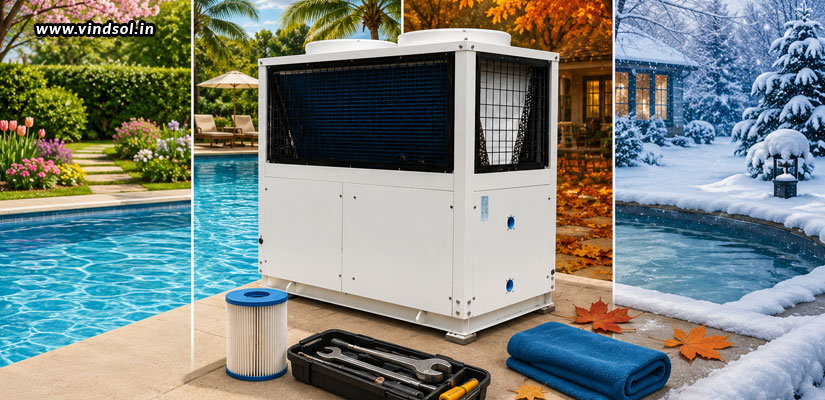
Seasonal Maintenance Tips To Keep Your Swimming Pool Heater Running Smoothly
Having a swimming pool heater installed is one of the wisest decisions to help you have a comfortable and enjoyable pool experience all round the year with a pleasant water temperature in any weather condition, extending your swimming season well beyond the summer months. However, like any piece of equipment that operates regularly, a pool heater requires proper care and maintenance to perform efficiently and reliably. Neglecting routine maintenance can lead to reduced efficiency, higher energy bills, costly repairs, and a shortened equipment lifespan. Seasonal maintenance helps identify potential issues early, ensuring your heater remains in optimal condition throughout the year. Let’s explore some essential seasonal maintenance tips to keep your swimming pool heater running smoothly, while improving efficiency and maximizing its lifespan.
Why seasonal maintenance matters
Swimming pool heaters operate under varying environmental conditions throughout the year, such as temperature fluctuations, humidity, rain, dust, debris, and changing usage patterns. All of this can affect the performance of the heater. However, with regular seasonal maintenance practices in place,
- Heating efficiency is improved
- Energy consumption is reduced
- Unexpected breakdowns are avoided
- Equipment lifespan is extended
- Consistent water temperature is maintained
With all of the above benefits, it is proven that a proactive maintenance approach is far more cost-effective than realizing an issue and then dealing with major repairs or replacing damaged components.
Spring maintenance
Spring marks the beginning of pool activity. This is when the pool has been unused or rarely used for months, which means more maintenance and proper inspection required before it is expected to operate regularly.
- Inspecting the heater exterior
The exterior of the heater should be inspected for visible signs of wear or damage, such as rust, corrosion, cracks, loose panels, of signs of pest activity. Addressing these issues early on can prevent them from worsening during the swimming season.
- Clearing debris around the unit
Leaves, dirt, grass clippings, and other debris often accumulate around pool heating equipment during periods of inactivity. All of this must be cleared, and adequate clearance around the heater should be ensured for proper airflow and ventilation.
- Checking the plumbing connections
All the plumbing connections should be checked for signs of leaks, cracks, or loose fittings. Even small leaks can reduce heating efficiency, waste energy, increase water consumption, and cause damage to the surrounding equipment
- Verifying control settings
The thermostat and control panel should be tested to ensure that all the settings are functioning correctly. The temperature settings, timers, automation functions, and error messages should be checked for detecting any control issues.
Summer maintenance
Summer is typically when swimming pools are used the most, which means the heater should be in top condition during this season. For ensuring uninterrupted operation during the summer months, the following maintenance practices are essential.
- Monitoring water chemistry
Balanced pool water plays a significant role in protecting heating equipment. Improper chemical levels can cause corrosion and scale buildup which affects the components and also reduces heat transfer efficiency. The pH levels, alkalinity, calcium hardness, and sanitizer levels all need to be monitored.
- Cleaning or replacing filters
Dirty filters restrict water flow and force the heating system to work harder. Reduced water circulation can lead to slow heating and higher energy consumption, while also increasing wear on the components. The filters should thus be cleaned, or replaced if required, to ensure proper water filtering and circulation.
- Monitoring heating performance
Warning signs like longer heating cycles, inconsistent temperatures, unusual noises, and frequent shutdowns should be promptly considered, and even the most minor issues should be addressed to prevent bigger issues from arising.
- Inspecting airflow components
Any obstructions around the unit or blocked air intakes should be checked. Dirty evaporator coils should be cleaner or replaced. All of this is important for ensuring unrestricted airflow so as to allow the system to operate at maximum efficiency.
Monsoon maintenance
Monsoons present unique challenges for pool heating equipment. Heavy rainfall, increased humidity, and wind-blown debris can impact performance if maintenance is overlooked.
- Checking drainage around the heater
Standing water around the heater can contribute to corrosion and component damage. It is very crucial to ensure that water drains away from the unit and no flooding occurs around the electrical components, which is essential to avoid moisture-related issues.
- Inspecting electrical connections
Moisture can affect electrical systems if the connections are not properly protected. Loose connections, damaged insulation, and corrosion can lead to electrical faults, reduced heater performance, unexpected shutdowns, and potential safety hazards if left unaddressed.
- Removing debris regularly
Storms often bring leaves, branches, dirt, and other debris that can accumulate around the heater. There should be routine cleaning done to maintain airflow, ventilation, and operational efficiency.
- Checking for corrosion
High humidity levels can accelerate corrosion on exposed components. The metal panels, fasteners, and plumping fittings should be thoroughly inspected regularly, and even the most minor corrosion issues should be treated to prevent costly repairs later.
Winter maintenance
While swimming pools are not used as much during the winters, when a heater is installed, users are likely to use the pool during the colder months too. This makes it important to maintain the heater well during this time of the year too.
- Monitoring heater performance
During colder conditions, heaters often work harder to maintain water temperature. Any signs of long heating times, unusual operating sounds, or reduced performance should be investigated promptly.
- Protecting against heat loss
Even the most efficient heater will struggle if the pool continuously loses heat. Thermal pool covers, wind barriers, and proper insulation are all essential to reduce heat loss and reduce stress on the heater.
- Inspecting temperature sensors
Temperature sensors play a critical role in regulating heater operation. Faulty sensors can cause incorrect temperature readings, inefficient heating, and excessive cycling, which must all be checked for.
Common signs your swimming pool heater needs attention
Even with regular maintenance, issues can occasionally develop. Watch for these warning signs:
- Water not reaching desired temperature
- Heater frequently turning on and off
- Reduced water flow
- Error codes on the control panel
- Visible corrosion or leaks
- Unusual noises
- Rising energy bills
Addressing these symptoms early can prevent costly repairs and downtime. However, while regular maintenance helps maximize performance, an outdated or inefficient heating system may still struggle to deliver the energy savings and reliability offered by newer technologies. If you’re considering an upgrade, investing in a high-quality swimming pool heater can improve energy efficiency, reduce operating costs, and provide more consistent performance throughout the year. If you’re looking for an energy-efficient swimming pool water heater in India, Vindsol offers advanced heating solutions designed for reliable year-round performance. With a proactive maintenance routine and periodic servicing, your swimming pool heater can continue delivering warm, comfortable water and reliable performance for many years to come.
A swimming pool heater is a valuable investment that helps extend your swimming season by enhancing comfort. However, achieving consistent performance requires regular seasonal maintenance to ensure efficiency, reliability, and long-term durability. By inspecting your heater throughout spring, summer, monsoon, and winter, maintaining proper water chemistry, ensuring adequate airflow, and addressing minor issues before they escalate, you can significantly reduce operating costs and avoid unexpected breakdowns. With a proactive maintenance routine and periodic professional servicing, your swimming pool heater can continue delivering warm, comfortable water and dependable performance for many years to come.