
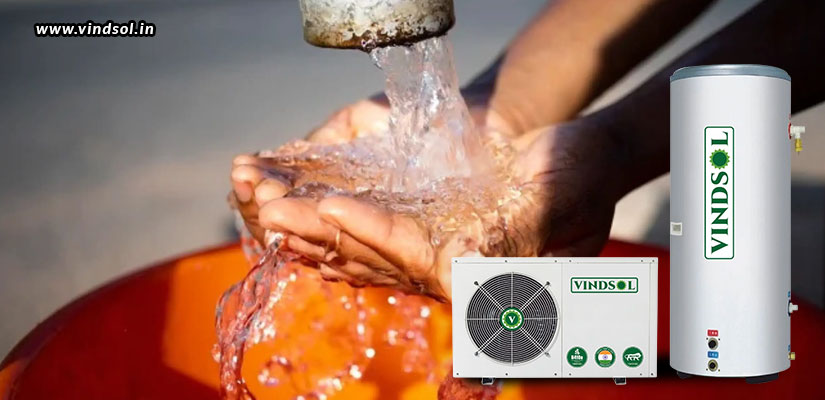
Domestic Heat Pumps For Hard Water Areas
Hard water is a common challenge across India, with more than 70% of households relying on borewells and other groundwater sources. This water often contains high levels of dissolved materials like calcium and magnesium, contributing to the hardness. High hardness levels can lead to scale buildup, reduced heating efficiency, pipe blockages, and more. All of this can result in reduced efficiency and a shorter lifespan of water heaters, while increasing energy consumption bills. But, with a domestic heat pump in India, many issues can be resolved, or at least managed, ensuring long-term performance and reliability. This blog explores how domestic heat pumps handle hard water conditions and provides practical steps homeowners can take to maintain efficiency and durability.
How hard water impacts water heating systems
Hard water contains dissolved minerals like calcium and magnesium. When water is heated, these minerals precipitate and form limescale deposits on internal surfaces such as heating elements, pipes, and storage tanks. This scale buildup further results in:
- Reduced heat transfer efficiency
- Increased electricity consumption
- Clogged pipelines and reduced water flow
- Frequent maintenance and repair needs
- Shortened lifespan of equipment
In traditional electric geysers, scale directly coats the heating element, forcing it to consume more energy to achieve the desired temperature. Over time, this leads to overheating, inefficiency, and eventual failure.
Do domestic heat pumps handle hard water better?
Domestic heat pumps are inherently better equipped to deal with hard water compared to conventional heating systems. This is because they do not rely on direct electrical heating elements immersed in water. Instead, they use a heat exchanger system that transfers heat indirectly. Here is how heat pumps can handle hard water conditions better.
Since heat pumps move heat instead of producing it through direct contact, the formation of scale has a less severe impact on essential components compared to electric geysers.
Heat pumps generally function within regulated temperature ranges, which helps to decrease rapid mineral precipitation, thereby slowing scale accumulation.
Contemporary domestic heat pumps frequently include glass-lined or enamel-coated tanks with anti-corrosion coatings and sacrificial anodes
These characteristics protect the tank against mineral damage and prolong the lifespan of the equipment.
Common hard water challenges in heat pumps
Even though the above characteristics protect the tank against mineral damage, it doesn’t make the system completely immune to hard water issues. Over time, certain challenges can still arise, such as:
- Gradual scale buildup in water tanks
- Reduced efficiency of heat exchange surfaces
- Clogging of pipes and valves
- Decreased water flow and pressure
- Increased energy consumption
These issues highlight the importance of preventive maintenance actions.
Preventive maintenance – The key to long-term efficiency
Regular maintenance plays a critical role in ensuring that the heat pump continues to perform efficiently despite hard water conditions.
- Regular descaling: Descaling helps remove mineral deposits from the tank and internal components, ensuring efficient heat transfer. It is recommended to schedule professional chemical descaling every 6 to 12 months, depending on the hardness level of water in your area.
- Filter cleaning: Regular cleaning of air filters is essential to maintain proper airflow and system efficiency. Additionally, water filters should be checked periodically for sediment buildup, which can restrict flow and reduce overall performance if left unattended.
- Anode rod inspection: The magnesium anode rod plays a crucial role in preventing tank corrosion by attracting harmful minerals. It should be inspected annually and replaced when worn out to ensure continued protection and extend the system’s lifespan.
- Performance monitoring: Keep an eye on system performance indicators such as slower heating, reduced water pressure, or rising electricity bills. These signs often indicate scaling or internal issues that require timely maintenance to prevent further efficiency loss.
Water treatment solutions for hard water
While heat pumps are robust, combining them with water treatment systems enhances performance and longevity.
- Water softeners: Water softeners remove calcium and magnesium ions, reducing hardness, preventing scale buildup, extending appliance lifespan, and improving overall water quality for better system efficiency.
- Anti-scale devices: These devices alter the structure of minerals in water, preventing them from adhering to surfaces and reducing scale formation inside pipes and heating systems.
- Sediment filters: Ideal for borewell water, sediment filters remove dirt, sand, and debris, preventing clogging in pipes and protecting heat pump components from damage and efficiency loss.
- Reverse Osmosis (RO) systems: Primarily used for drinking water, RO systems also support overall water quality management by removing dissolved impurities, complementing other treatment solutions in maintaining cleaner water supply.
Long-term benefits of managing hard water
Taking proactive measures to handle hard water can provide substantial long-term benefits for both your home and heating system. By minimizing mineral accumulation, energy efficiency can be enhanced, enabling the heat pump to function without undue stress. This, in turn, leads to lower maintenance expenses, as there will be fewer repairs and service needs over time. Managing water hardness also promotes a longer lifespan for the appliances by avoiding internal corrosion and scaling issues. Furthermore, it guarantees consistent hot water performance, ensuring stable temperature and pressure for your daily comfort. All these advantages contribute to a better return on your investment. With proper maintenance, a domestic heat pump can offer dependable, efficient performance for more than a decade, even in tough hard water situations.
Why professional support matters
Hard water management begins with partnering with an expert. Choosing a trusted provider ensures correct selection, proper installation, regular maintenance, and dependable long-term service. For homeowners seeking a reliable domestic heat pump in India, Vindsol offers advanced solutions designed to handle Indian water conditions. With features like anti-corrosion tanks, high-efficiency heat exchangers, and dedicated servicing support, Vindsol ensures consistent performance and durability. Their expertise helps heat pumps operate efficiently even in challenging hard water environments, delivering long-term reliability, energy savings, and uninterrupted hot water comfort.
Hard water is an unavoidable reality in many Indian households, but it doesn’t have to compromise your hot water system’s performance. Domestic heat pumps are inherently more resilient than traditional geysers, offering efficient, indirect heating that minimizes the impact of scaling. However, to fully unlock their potential, homeowners must take a proactive approach; with the right combination of technology and care, domestic heat pumps can deliver consistent, energy-efficient hot water for years. By understanding how hard water interacts with your system and taking preventive measures, you can transform a common household challenge into a manageable – and even negligible – concern.